A premium display, high-end speakers, powerful amplifiers, and sophisticated recording equipment are often the first things people consider when planning a home theater or recording studio. While technology certainly plays an important role, the quality of sound ultimately depends on something many people overlook—the room itself.
Even the most expensive audio system can perform poorly in an acoustically untreated space. Excessive echo, uneven bass response, unwanted reflections, and external noise intrusion can significantly reduce the listening or recording experience.
This is why professional home theaters and recording studios place such a strong emphasis on acoustic design.
Acoustics determine how sound behaves within a room. Proper acoustic planning helps create environments where audio is clear, balanced, immersive, and true to its original source.
Whether you are building a dedicated home cinema, a music production studio, a podcast room, a voice-over booth, or a professional recording facility, understanding acoustic fundamentals is essential for achieving exceptional results.
Why Acoustics Matter More Than Equipment
Many homeowners invest heavily in audio equipment while allocating little attention to room acoustics.
However, the room itself often has a greater impact on sound quality than the equipment installed inside it.
Poor acoustic conditions can cause:
- Echo and reverberation
- Speech clarity issues
- Excessive bass buildup
- Uneven frequency response
- Listening fatigue
- Poor recording quality
- Inaccurate sound reproduction
A properly designed room allows audio systems to perform at their full potential.
This is why acoustic planning should be considered from the earliest stages of the project.
Understanding How Sound Behaves in a Room
Sound travels through the air until it encounters surfaces such as walls, ceilings, floors, furniture, and equipment.
When sound reaches these surfaces, it can:
- Reflect
- Absorb
- Diffuse
- Transmit
The balance between these behaviors determines the overall acoustic character of the room.
Successful acoustic design focuses on controlling these interactions to create an optimal listening environment.
The Difference Between Soundproofing and Acoustic Treatment
One of the most common misconceptions in home theater and studio design is confusing soundproofing with acoustic treatment.
Although related, they serve completely different purposes.
Soundproofing
Soundproofing prevents sound from entering or leaving a room.
It focuses on sound isolation and privacy.
Acoustic Treatment
Acoustic treatment improves sound quality inside the room by controlling reflections, reverberation, and frequency balance.
Most successful projects require both soundproofing and acoustic treatment working together.
Choosing the Right Room
The room itself forms the foundation of acoustic performance.
Certain room shapes and dimensions naturally perform better than others.
When selecting a room, consider:
- Room proportions
- Ceiling height
- Window placement
- Structural construction
- External noise sources
Rooms with symmetrical layouts often provide more predictable acoustic behavior, particularly for critical listening environments.
Room Shape and Acoustic Performance
Room geometry has a significant influence on sound quality.
Parallel surfaces can create:
- Flutter echo
- Standing waves
- Frequency buildup
- Uneven sound distribution
Professional acoustic designers often recommend room proportions that minimize these issues.
Irregular room shapes, angled surfaces, and properly designed acoustic treatments help improve overall sound performance.
Soundproofing Fundamentals
A home theater or studio should be isolated from surrounding noise sources whenever possible.
Common external noise sources include:
- Traffic noise
- Neighboring rooms
- HVAC systems
- Mechanical equipment
- Outdoor activities
Effective soundproofing strategies include:
High-Mass Wall Systems
Dense wall assemblies reduce airborne sound transmission.
Acoustic Insulation
Mineral wool and Rockwool insulation improve sound isolation.
Decoupled Construction
Separating structural elements reduces vibration transfer.
Acoustic Doors
Specialized doors help maintain sound isolation performance.
Acoustic Sealants
Sealing gaps prevents sound leakage through small openings.
Soundproofing is particularly important for recording studios where external noise can compromise recordings.
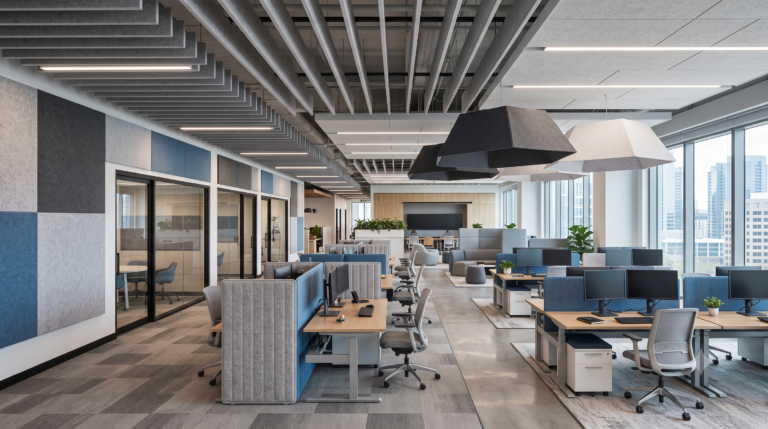
Controlling Reflections with Acoustic Panels
Sound reflections are one of the primary causes of poor room acoustics.
Acoustic wall panels absorb reflected sound and help create a more balanced listening environment.
Popular options include:
- Fabric-wrapped acoustic panels
- Polyester acoustic panels
- Mineral wool acoustic panels
- Custom decorative acoustic treatments
Strategically placed panels improve clarity, reduce reverberation, and enhance overall sound quality.
The Importance of Bass Control
Low-frequency sound behaves differently from mid and high frequencies.
Bass energy tends to accumulate in corners and along room boundaries.
Without proper treatment, this can create:
- Boomy bass
- Uneven frequency response
- Inaccurate monitoring
- Reduced clarity
Bass Traps
Bass traps are specialized acoustic treatments designed to absorb low-frequency energy.
They are typically installed in room corners where bass buildup is most severe.
Bass management is one of the most important aspects of studio acoustic design.
Using Acoustic Diffusers
While absorption reduces reflections, too much absorption can make a room sound unnaturally dead.
Diffusion helps maintain acoustic balance.
Acoustic diffusers scatter sound energy in multiple directions rather than absorbing it completely.
Benefits include:
- Improved spaciousness
- Better sound distribution
- Enhanced listening experience
- Reduced acoustic coloration
Diffusers are commonly used in professional studios, home cinemas, and high-end listening rooms.
Speaker Placement Fundamentals
Even the best acoustic treatment cannot compensate for poor speaker placement.
Proper positioning helps ensure balanced sound distribution.
General guidelines include:
- Maintain symmetry
- Avoid placing speakers directly against walls
- Optimize listening position
- Follow manufacturer recommendations
- Consider room dimensions
In professional studios, speaker placement is often determined through detailed acoustic analysis.
Home Theater Acoustic Design Considerations
Home theaters prioritize immersive entertainment experiences.
Acoustic objectives typically include:
- Clear dialogue reproduction
- Controlled reverberation
- Balanced surround sound
- Effective bass management
- Minimal external noise intrusion
Acoustic wall panels, ceiling treatments, bass traps, and soundproofing systems work together to create a cinema-quality experience.
Recording Studio Acoustic Design Considerations
Recording studios require higher levels of acoustic precision.
The goal is accurate sound reproduction without coloration.
Key design priorities include:
- Low noise levels
- Controlled reflections
- Flat frequency response
- Isolation from external sound
- Balanced monitoring conditions
Professional studios often undergo detailed acoustic modeling to achieve optimal performance.
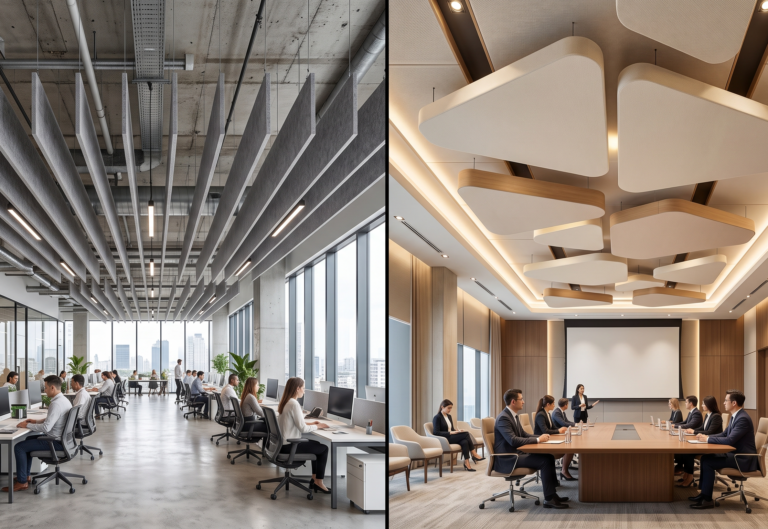
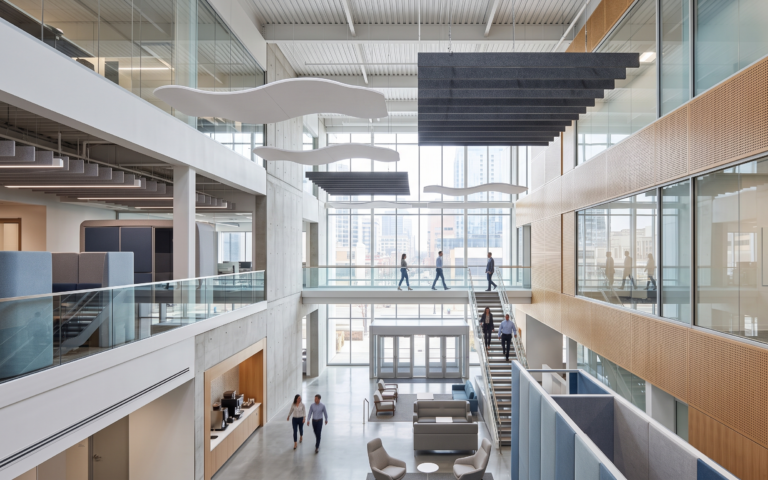
Ceiling Acoustics in Home Theaters and Studios
Ceilings can contribute significantly to unwanted reflections.
Acoustic ceiling treatments may include:
- Acoustic clouds
- Ceiling panels
- Fabric systems
- Perforated acoustic ceilings
These treatments help control reflections and improve overall acoustic balance.
The Role of Flooring in Acoustic Design
Floor finishes influence how sound behaves within a room.
Common solutions include:
- Carpet flooring
- Acoustic underlays
- Floating floor systems
- Engineered acoustic flooring
These materials help reduce reflections and improve comfort.
Common Acoustic Design Mistakes
Many home theaters and studios experience performance issues because of common planning errors.
These include:
- Ignoring room acoustics
- Focusing only on equipment
- Confusing soundproofing with treatment
- Neglecting bass control
- Improper speaker placement
- Using insufficient acoustic treatment
Addressing these issues early improves long-term performance and reduces costly modifications.
Why Professional Acoustic Design Matters
While basic acoustic improvements can be implemented independently, professional acoustic consultants provide valuable expertise.
Acoustic specialists evaluate:
- Room geometry
- Reverberation characteristics
- Noise control requirements
- Speaker positioning
- Material selection
- Performance targets
This ensures the final space performs as intended.
Benefits of Proper Acoustic Design
Investing in acoustics provides substantial benefits.
These include:
- Better sound quality
- Enhanced movie experiences
- Improved recording accuracy
- Reduced listener fatigue
- Increased property value
- Professional-level performance
Acoustic design transforms ordinary rooms into exceptional audio environments.
Conclusion
Designing a successful home theater or recording studio requires more than premium equipment.
Acoustics play a critical role in determining how sound is experienced, whether for entertainment, content creation, music production, or professional recording.
By understanding acoustic fundamentals such as soundproofing, sound absorption, diffusion, bass control, speaker placement, and room geometry, homeowners and professionals can create environments that deliver outstanding audio performance.
The most impressive audio systems are not necessarily the most expensive—they are the ones installed in spaces that have been thoughtfully designed for sound.
Investing in proper acoustic planning ensures that every detail of the listening experience can be enjoyed exactly as intended.
Frequently Asked Questions (FAQs)
What is the difference between soundproofing and acoustic treatment?
Soundproofing prevents sound transmission between spaces, while acoustic treatment improves sound quality within a room.
Do home theaters need acoustic panels?
Yes. Acoustic panels help reduce reflections, improve dialogue clarity, and enhance overall sound quality.
What are bass traps used for?
Bass traps absorb low-frequency energy and reduce bass buildup in room corners.
Can acoustic treatment improve recording quality?
Absolutely. Proper treatment reduces unwanted reflections and creates a more accurate recording environment.
Are acoustic diffusers necessary?
Diffusers help maintain natural sound balance and improve sound distribution, especially in larger rooms.
How important is speaker placement?
Speaker placement significantly affects sound quality and should be optimized as part of the acoustic design process.
Should acoustics be planned before construction?
Yes. Early acoustic planning provides the best results and minimizes future modifications.
Can a small room become a professional-quality studio?
Yes. With proper acoustic design, even relatively small spaces can achieve excellent acoustic performance.
Contact Stageworks.in
Phone: +91 90150 60000
Email: auditoriumworks@gmail.com
Planning a home theater, recording studio, podcast room, media room, music production facility, or private cinema?
Our acoustic consulting team helps homeowners, architects, designers, and developers create world-class audio environments through professional acoustic design and soundproofing solutions.